Hot water extraction versus low moisture carpet cleaning methods
If you are trying to choose between hot water extraction versus low moisture carpet cleaning methods, you are probably weighing the same three things most people do: how clean the carpet will get, how long it will take to dry, and whether the method suits the room you actually live or work in. That is fair enough. Nobody wants damp carpets lingering for half a day, but nobody wants a surface clean that leaves ground-in soil behind either.
This guide breaks the comparison down in plain English. You will see how each method works, where it shines, where it falls short, and how to decide what makes sense for a family home, a rental property, or a busy office. We will also cover practical steps, common mistakes, best-practice expectations, and a few real-world scenarios that tend to be overlooked in generic advice.
For readers comparing professional services, it can also help to understand the wider cleaning picture. A company that handles carpet cleaning properly will usually think about fibre type, soil level, room use, drying time, and the awkward realities of furniture, weather, and traffic. That is where the method choice really matters.
Table of Contents
- Why the method choice matters
- How each carpet cleaning method works
- Key benefits and practical advantages
- Who each method is for
- Step-by-step guidance for choosing and using the right method
- Expert tips for better results
- Common mistakes to avoid
- Tools, resources and recommendations
- Law, compliance, standards and best practice
- Side-by-side comparison
- Real-world example
- Practical checklist
- Conclusion
- Frequently asked questions
Why Hot water extraction versus low moisture carpet cleaning methods Matters
Carpet cleaning is not just about making fibres look brighter for five minutes. The method you choose affects how much embedded soil is removed, how quickly the carpet can be used again, and how much risk there is of overwetting, residue, or texture change. In other words, the choice changes the whole experience.
Hot water extraction, often called steam cleaning even though it uses heated water rather than actual steam, is usually selected when a deep clean is the priority. Low moisture methods are often chosen when drying time is the priority. That simple difference sounds neat on paper, but in practice there are lots of grey areas.
A family hallway with muddy shoe traffic on a rainy November afternoon has different needs from a lightly soiled meeting room, and both differ again from a landlord handover where the carpet must be presentable quickly. If you get the method wrong, the result can be disappointing even when the cleaner has worked hard. And yes, that happens more often than people think.
This matters even more when carpets sit alongside other soft furnishings. If you are already organising sofa cleaning or upholstery cleaning, it usually makes sense to choose a carpet method that fits the drying timetable for the whole room rather than treating the carpet in isolation. A room that looks spotless but feels sticky or stays damp for hours is not really solved, is it?
Expert summary: hot water extraction is generally the stronger deep-clean option, while low moisture cleaning is often the more convenient fast-dry option. The best choice depends on soil level, fibre type, occupancy, and how soon the carpet must be walked on again.
How Hot water extraction versus low moisture carpet cleaning methods Works
Hot water extraction in simple terms
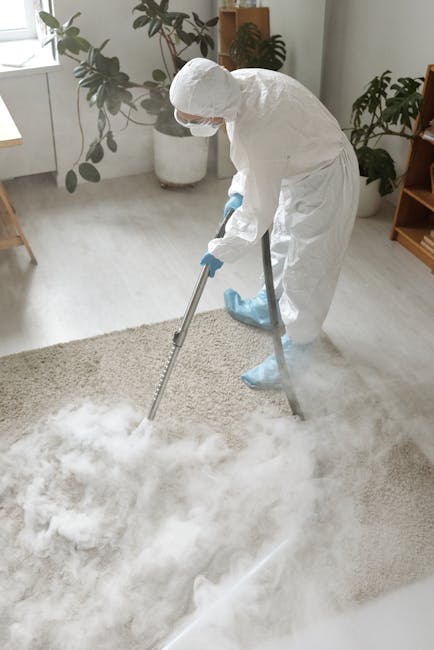
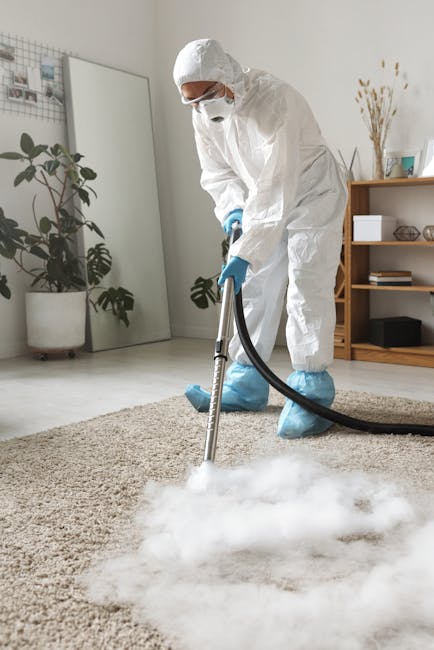
Hot water extraction works by applying a cleaning solution and heated water to the carpet fibres, agitating the pile, and then extracting the loosened dirt, moisture, and detergent with strong suction. The heat helps break down oily soil and everyday grime. The extraction step is the important bit; without it, you are just wetting the carpet and hoping for the best.
In real use, a technician will usually pre-inspect the carpet, identify stains or fibre issues, vacuum thoroughly, pre-treat spots, and then work in sections. A carpet may look clean from the doorway after the first pass, but the difference often shows when the pile dries and the pattern lifts back into view. That moment can be satisfying. A bit like opening a window on a clear morning.
Because more water is used, the carpet will normally need longer to dry. Good airflow helps. So does sensible temperature and not overapplying solution. You want clean fibres, not a soggy underlay.
Low moisture carpet cleaning in simple terms
Low moisture cleaning is a broader term, but in practice it usually refers to methods that use much less water than hot water extraction. That may involve encapsulation, bonnet cleaning, or other low-water techniques designed to lift soil from the pile with minimal drying time.
Instead of saturating the carpet, the operator uses controlled product application, agitation, and absorption or encapsulation of soils. The aim is to clean the surface and upper fibre levels efficiently, with the carpet becoming usable again much faster. For offices, reception areas, or homes with pets and children, that fast return to service can be a big deal.
Low moisture methods are not the same as "lightly wiping the carpet". A proper process still needs pre-vacuuming, correct chemistry, and realistic expectations. They are efficient, but they are not magic. If you have a heavy tea stain in one corner and old tracked-in soil across a landing, low moisture may improve the appearance without matching the deep restorative clean of hot water extraction.
What changes the result most
Method matters, but so do the basics:
- carpet fibre type, such as wool or synthetic blends
- how much soil has built up
- how old the stains are
- whether the carpet has been previously over-wet or over-shampooed
- ventilation and drying conditions
- the quality of the equipment and operator skill
Truth be told, the best results often come from matching the process to the carpet rather than treating all carpets the same. That sounds obvious, but it is one of the most common reasons people are underwhelmed by "professional" cleaning.
Key Benefits and Practical Advantages
Hot water extraction benefits
Hot water extraction is usually the better choice when you want a thorough soil removal. It can reach deeper into the pile and pull out debris that settles below the surface. That makes it useful for family homes, high-traffic staircases, and carpets that have not been properly cleaned in a while.
- strong deep-clean performance
- good for heavy traffic and embedded dirt
- often better for allergen and general soil removal
- can improve appearance on tired-looking carpet
- works well as part of a deeper maintenance plan
It is also a sensible option when you are already going through a more intensive cleaning schedule, such as deep cleaning in a property that needs a fuller refresh. In a lived-in home, that can make the room feel properly reset rather than just tidied.
Low moisture benefits
Low moisture methods have a different kind of value. They are quick, efficient, and often far easier to fit into a working day or a busy household routine.
- much faster drying times
- less disruption to foot traffic
- useful in offices and commercial settings
- lower risk of overwetting if used correctly
- can support regular maintenance cleaning
This is why low moisture systems are often attractive for premises that cannot shut down for hours. A carpeted office corridor, for example, may need to look respectable again before the afternoon shift. Nobody wants to be tiptoeing round wet patches with a laptop bag and a coffee. Nobody.
The practical trade-off
The main trade-off is straightforward: deeper clean versus faster dry. Hot water extraction tends to win on restoration and extraction power. Low moisture tends to win on convenience and downtime. The better method is usually the one that matches the real-life problem, not the one that sounds more impressive in a brochure.
Who This Is For and When It Makes Sense
Different carpets and different settings call for different approaches. Here is the honest version.
Choose hot water extraction when:
- the carpet is visibly dirty or dull
- there is deep embedded soil, grit, or tracked-in mud
- pets have had repeated accidents or odours are present
- the carpet has not been cleaned for a long time
- you want the strongest restorative clean possible
Choose low moisture cleaning when:
- the area must be back in use quickly
- you are maintaining a carpet regularly rather than restoring it
- the setting is an office, retail area, or busy shared space
- the carpet fibre or backing would benefit from reduced water exposure
- you need to minimise disruption on the day
There are also mixed situations. A rental flat that is being prepared for new occupants may need hot water extraction in the living room but a quicker low moisture refresh in lighter-use rooms. That kind of judgement is normal. If you are planning a move-out clean, it may help to look at end of tenancy cleaning as part of the broader picture, because timing and presentation matter a lot at handover.
For homeowners, the decision often comes down to lifestyle. Kids, pets, rain, school shoes, biscuit crumbs. Life happens on carpets. If you need a proper reset, extraction tends to be the safer bet. If the carpet mostly needs maintenance and there is no heavy build-up, low moisture can be the smarter day-to-day choice.
Step-by-Step Guidance
Here is a practical way to decide between the two methods without getting lost in jargon.
- Inspect the carpet closely. Look at the pile in daylight if you can. Check for dullness, traffic lanes, stains, and texture changes.
- Identify the fibre. Wool, synthetic, and blended carpets respond differently. If you are unsure, treat it cautiously.
- Think about the soil level. Light surface dust is one thing. Deep blackened traffic lanes are another.
- Check the drying window. If the room must be used again quickly, low moisture may be more practical.
- Consider the room purpose. Bedrooms, hallways, offices, and communal spaces all behave differently.
- Decide whether this is maintenance or restoration. Maintenance cleaning can suit low moisture. Restoration usually favours extraction.
- Test a small area when needed. A discreet test patch can reveal how the carpet reacts to water, agitation, and chemistry.
- Plan airflow and access. Open windows if appropriate, move light furniture, and avoid walking on the carpet too soon.
If you are comparing this with other floor maintenance work, the logic is similar to choosing the right approach for hard floor cleaning: match the method to the surface and the level of soiling. Different materials, different outcomes. Simple enough, but worth saying.
What a sensible cleaning day looks like
In a good professional setup, the cleaner arrives, inspects the carpet, explains the method, moves or protects furniture where agreed, pre-vacuums, pre-treats stains, then carries out the chosen process with controlled passes. If hot water extraction is used, drying advice should be given clearly. If low moisture is used, you should still be told what residues or appearance changes to expect. Clarity helps everyone.
Expert Tips for Better Results
- Vacuum before anything else. Dry soil removal improves both methods. Skipping it is a false economy.
- Do not flood the carpet. More water is not the same as more cleaning.
- Use the right chemistry for the fibre. Wool and synthetic carpets do not always like the same treatment.
- Keep dwell times sensible. Let products work, but do not leave them hanging around forever.
- Focus on airflow after cleaning. Good drying helps prevent musty smells and re-soiling.
- Deal with stains early. The longer a stain sits, the more likely it is to become stubborn.
- Use entrance mats and regular vacuuming afterwards. It sounds basic because it is basic, and it works.
One small but important point: if a carpet has been repeatedly shampooed in the past, residue build-up can make it feel tacky. In that case, a stronger rinse and extraction process may be needed. Low moisture alone may not solve the problem. That is the sort of detail that separates a decent result from a merely acceptable one.
For properties that need broader upkeep, pairing carpet care with services like one-off cleaning can make sense when the whole place needs attention, not just the floor covering. A fresh room has a different feel. Cleaner. Lighter. Less tired around the edges.
Common Mistakes to Avoid
Some of the worst carpet results come from avoidable mistakes, not bad luck.
- Choosing by drying time alone. Fast drying is useful, but not if the carpet still looks grim afterwards.
- Assuming all low moisture methods are equal. Technique and equipment matter a lot.
- Overwetting wool or delicate fibre. That can cause browning, shrinkage, or texture distortion in some cases.
- Ignoring ventilation. A clean carpet that dries slowly can still smell stale.
- Scrubbing stains aggressively at home. That often pushes the problem deeper into the pile.
- Using too much detergent. Residue attracts new soil. Annoying, but true.
- Not checking for furniture marks or rust-prone items. Metal legs and damp carpets do not always get along.
A lot of people also confuse "cleaner-looking" with "cleaner". A carpet can look brighter after a quick pass, yet still have soil packed into the lower fibres. If you have ever stood in a room and thought, "Why does it look cleaner but still feel off?", that is usually the reason.
Tools, Resources and Recommendations
You do not need specialist jargon to think like a pro, but a few practical tools help.
Useful equipment and materials
- professional vacuum with strong agitation
- spotting kit for localised stains
- pre-spray or low-moisture cleaning solution suited to the fibre
- hot water extraction machine with good suction
- microfibre towels for blotting and finishing touches
- air mover or fans where safe and appropriate
Questions to ask before booking
- Which method do you recommend for my carpet type?
- How long should drying take in normal conditions?
- What happens if there are old stains or pet odours?
- Do you pre-vacuum and pre-treat as standard?
- What should I do before the cleaner arrives?
If you are comparing providers, it is also sensible to look at how they handle trust, access, and payment. A company that is clear about pricing and quotes and explains its payment and security approach is usually easier to deal with from the start. Small detail, big difference.
And if you are curious about the business itself, pages like about us can help you understand how the team works, while insurance and safety is worth checking whenever work is taking place in a home or commercial property. That is just sensible.
Law, Compliance, Standards and Best Practice
For most readers, the big question is not legal technicalities but whether the cleaning is done safely, sensibly, and with proper care. In the UK, good practice usually means using suitable chemicals, following product instructions, protecting occupants and surfaces, and working in a way that does not create unnecessary slip hazards or damp-related issues.
In commercial settings, you may also want to think about workplace hygiene expectations, tenant responsibilities, and the practical impact of cleaning on staff movement. That does not mean there is one universal rule for every property. There really is not. It means the method should fit the environment, and the cleaner should explain any precautions clearly.
Best practice also includes:
- risk awareness around electrical equipment and wet surfaces
- care when moving furniture
- appropriate ventilation after cleaning
- clear advice on drying and re-entry
- careful handling of specialist fibres and stain treatments
If your carpets are part of a wider project, such as post-renovation work or a full property refresh, services like after builders cleaning may be relevant because dust and fine debris can affect how well carpets respond to either method. Dry dust from building work is a different beast from everyday household soil.
Also, reputable businesses should be transparent about policies and service expectations. It is a good sign when you can easily find their terms and conditions, privacy policy, and complaints procedure. Not glamorous reading, no, but useful if anything needs clarification later.
Options, Methods, or Comparison Table
The simplest comparison is this: hot water extraction is stronger on deep soil removal, while low moisture is stronger on speed and convenience. But the detailed differences matter, so here is a clearer view.
| Factor | Hot water extraction | Low moisture cleaning |
|---|---|---|
| Cleaning depth | Usually better for deeper soil and restored appearance | Good for surface and upper-fibre maintenance |
| Drying time | Longer | Faster |
| Downtime | More disruptive | Less disruptive |
| Soil removal | Strong extraction of loosened dirt | Useful, but typically less restorative |
| Best for | Heavily used homes, stairs, deep-clean needs | Offices, maintenance cleans, quick-turnaround spaces |
| Risk profile | Can overwrite if misused | Can under-clean if expectations are too high |
| Odour and residue control | Excellent when rinsing and drying are managed well | Good when products are chosen and applied correctly |
| Overall feel | More "reset" than refresh | More "refresh" than reset |
Bottom line: if the carpet looks tired, grimy, or heavily trafficked, extraction is usually the better bet. If the main issue is keeping things tidy with minimal interruption, low moisture often makes more sense.
Case Study or Real-World Example
Imagine a two-bedroom flat in a busy London street in late autumn. The hallway gets muddy shoes, the lounge has a pale carpet, and there is a tight deadline because visitors are arriving the next morning. The owner wants the carpet cleaned but does not want the place to smell damp when they open the door at 8 a.m.
If the lounge has visible traffic lanes and a couple of old marks near the sofa, hot water extraction may give the best visible reset. But if the hallway only needs a light refresh and the drying window is limited, a low moisture method could be the better choice there. In practice, the cleaner might split the approach: stronger extraction where the carpet needs it, faster low moisture care where convenience matters most.
That kind of mixed strategy is common in real homes. It is not indecisive. It is practical.
And here is the part people often notice afterwards: the room does not just look cleaner. It feels calmer. Less "lived-in chaos," more settled. You can almost hear the carpet stop complaining underfoot. Slightly dramatic, maybe, but you get the point.
If the property is part of a wider domestic schedule, pairing the carpet work with domestic cleaning can make the whole home feel properly back on track rather than patched up in separate bits.
Practical Checklist
Use this before you decide on a carpet cleaning method.
- Have I checked the carpet fibre and condition?
- Is the carpet lightly soiled, moderately dirty, or heavily embedded with soil?
- Do I need the carpet dry quickly?
- Is this a home, office, rental, or shared space?
- Are there pets, odours, or recurring spill areas?
- Will furniture need to be moved or protected?
- Has the carpet been over-cleaned or left with residue in the past?
- Do I need a restorative clean or just maintenance?
- Is airflow available after the cleaning?
- Have I asked the cleaner which method they recommend and why?
One good rule of thumb: if you are unsure, ask for the reasoning behind the method, not just the method itself. The explanation tells you a lot about the competence behind the service.
Conclusion
Hot water extraction versus low moisture carpet cleaning methods is not really a competition with one permanent winner. It is a decision about fit. Hot water extraction usually gives the deeper, more restorative clean. Low moisture usually gives the quicker, less disruptive result. Both have a place, and both can be excellent when used properly.
The smartest choice is the one that matches your carpet's condition, the room's use, and the time you have to let it dry. If you remember nothing else, remember this: clean carpets should suit real life, not disrupt it.
Get a free quote today and see how much you can save.
Whether you are freshening up one room or planning a larger property clean, a careful method choice tends to pay off in comfort, appearance, and peace of mind. That little bit of judgement goes a long way.
Frequently Asked Questions
Is hot water extraction the same as steam cleaning?
Not exactly. Hot water extraction uses heated water and strong suction to remove soil and moisture. People often call it steam cleaning, but it is not pure steam cleaning in the literal sense.
Does low moisture carpet cleaning clean as well as hot water extraction?
It depends on the job. Low moisture methods are excellent for maintenance and quick turnaround, but hot water extraction usually does a better job on deep soil and heavier soiling.
Which method dries faster?
Low moisture carpet cleaning usually dries faster because far less water is used. Hot water extraction normally needs more drying time, especially in cooler rooms or where ventilation is limited.
Which method is better for pet odours?
Hot water extraction is often the stronger option for deeper odour removal, especially when paired with proper pre-treatment. Low moisture can help with maintenance, but it may not reach the same depth.
Can wool carpets be cleaned with hot water extraction?
Sometimes, yes, but wool needs careful handling. The fibre, dye stability, and moisture control all matter. A cautious test and the right chemistry are important.
Is low moisture carpet cleaning safe for busy offices?
Yes, it is often a very sensible option for offices because it reduces disruption. It works well when the aim is to keep carpets presentable without shutting areas down for long.
Will hot water extraction damage my carpet?
Not when it is done properly. Problems usually come from overwetting, poor technique, or using the wrong cleaning solution for the fibre. Skilled operation matters more than the label on the machine.
How often should carpets be cleaned?
That depends on foot traffic, household habits, pets, and room use. Busy areas usually need attention more often than low-use rooms. Regular vacuuming always helps stretch the time between professional cleans.
Which method is better for end of tenancy carpet cleaning?
Often hot water extraction, because landlords and tenants usually want the strongest possible visual and hygienic refresh. That said, drying time and handover timing may influence the final choice.
Can stains be removed with low moisture cleaning?
Some stains can be improved, but stubborn or old marks may need targeted pre-treatment or a more intensive extraction-based approach. It depends on the stain type and how long it has been there.
What should I do before the cleaner arrives?
Clear smaller items, point out stains, secure pets, and ask about access, drying, and furniture. A little prep makes the whole job smoother. It really does.
How do I choose between the two methods if I am not sure?
Ask a cleaner to inspect the carpet and explain which method suits the fibre, soil level, and drying window. If they can give you a sensible reason, you are on the right track.