DIY versus professional carpet cleaning what homeowners should know
Carpet cleaning looks simple from the outside. You see a stain, grab a spray, maybe hire a machine for the weekend, and hope for the best. But anyone who has tried to lift old traffic marks from a hallway carpet, or dealt with a damp patch that stayed a bit too damp, knows it is rarely that straightforward. The real DIY versus professional carpet cleaning what homeowners should know comes down to more than convenience. It is about fibre type, drying time, stain chemistry, equipment quality, and whether you want a surface refresh or a proper deep clean.
If you are deciding between doing it yourself and booking a specialist, this guide walks through the practical differences in plain English. You will see where DIY works well, where it can go wrong, what professionals do differently, and how to choose the right option for your home without overpaying or damaging the carpet you already have. Simple enough, but there is a bit of nuance here. Let's face it, carpets are not exactly cheap to replace.
Why this decision matters
Carpets do more than fill a room. They trap dust, hold onto pollen, absorb spills, and take the daily punishment of muddy shoes, pets, prams, and the odd glass of red wine. Over time, that build-up changes how the room feels. It can smell a little stale, look patchy, and feel flat underfoot. In a busy family house, you notice it first in the hallway or on the stairs, where everyone seems to walk the same strip of carpet by instinct.
The reason the DIY versus professional carpet cleaning choice matters is that the wrong method can make things worse. Too much water can lead to slow drying and a lingering smell. Harsh chemicals can dull fibres or leave sticky residue that attracts more dirt. A poorly used machine can actually push soil deeper into the pile rather than lift it out. On the other hand, the right approach can restore colour, reduce odours, and extend the life of the carpet, which is the kind of boring-but-brilliant maintenance homeowners quietly appreciate later.
There is also the time factor. A quick DIY job can look fine for a day, then stains reappear as the carpet dries. Professionals usually think in terms of extraction, dwell time, pre-treatment, fibre safety, and controlled drying. That difference is often what separates a cosmetic refresh from a result that lasts.
Key takeaway: this is not simply a choice between cheap and expensive. It is a choice between different outcomes, different risks, and different levels of effort.
How each cleaning method works
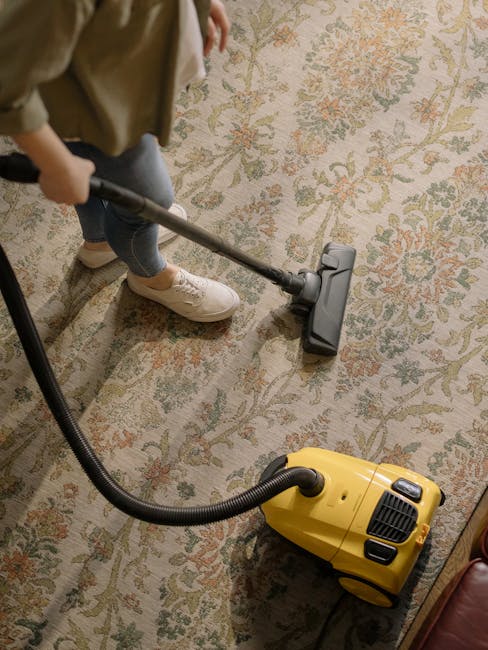
DIY carpet cleaning usually falls into one of three buckets: spot cleaning, rental machine cleaning, or using a domestic carpet cleaner. The principle is straightforward. You apply a cleaning solution, agitate the fibres, and remove loosened dirt and moisture. In practice, though, success depends on matching the method to the carpet and the problem.
DIY carpet cleaning in practice
With DIY cleaning, homeowners often rely on a shop-bought spray or a hire machine. That can work for surface stains, light refreshes, and small areas. It is especially useful if you are dealing with a recent spill and you act quickly. A blot, rinse, and repeat approach can do a decent job on fresh marks, provided you do not rub them in like you are polishing a table. We have all been guilty of that once.
The limitation is consistency. Most DIY equipment has less suction than professional kit, so more moisture tends to remain in the carpet. If the solution is overapplied, residue can sit in the pile and make the carpet look dirty again faster. Some stains, especially those from food dyes, pet accidents, or old oil-based spills, are also a bit stubborn for home methods.
Professional carpet cleaning in practice
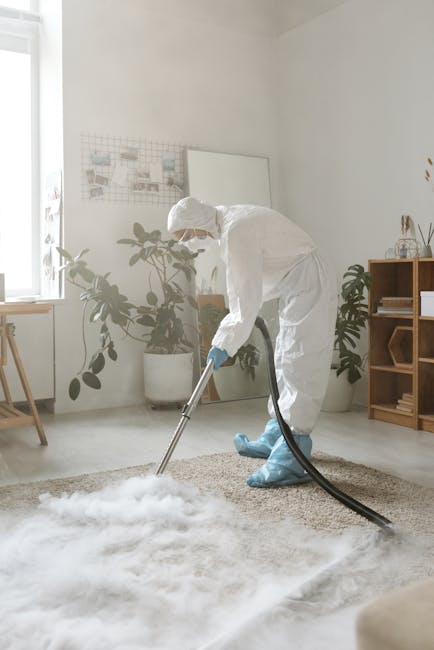
Professional cleaning usually starts with a fabric assessment. A cleaner identifies the fibre type, pile condition, stain history, and any risk areas before choosing the method. That matters because wool, synthetic fibres, blended carpets, and stain-resistant treatments all behave differently.
Most professional carpet cleaning involves pre-treatment, agitation, and hot water extraction or a similar deep-clean approach, depending on the job. The extractor removes more embedded soil and moisture than a typical rental machine. In better hands, that means fewer residues, faster drying, and a more even finish. A proper carpet cleaning service will also pay attention to edges, high-traffic tracks, and spots that usually get missed by DIY cleaning.
Specialists may also use separate methods for problem areas. For example, a hallway with compacted soil may need more agitation, while a delicate lounge carpet may need a gentler approach. That kind of adjustment is hard to replicate at home unless you already know what you are doing.
Key benefits and practical advantages
There are real advantages on both sides, and the right answer often depends on the room, the stain, and how much risk you are willing to take.
Benefits of DIY carpet cleaning
- Lower upfront cost: you can tackle small jobs without booking a visit.
- Fast reaction time: fresh spills can be treated immediately.
- Convenience: you decide when to do it, which helps with busy households.
- Good for maintenance: light, regular cleaning can help between deeper cleans.
DIY is often enough for a quick spruce-up before visitors arrive, especially in lower-traffic areas. If you are only dealing with a small stain from a dropped biscuit, not a mystery patch from six months ago, a home method can be perfectly sensible.
Benefits of professional carpet cleaning
- Deeper soil removal: better equipment reaches embedded dirt more effectively.
- Fibre-specific care: professionals can adjust method and chemistry to suit the carpet.
- Better stain treatment: old marks, odours, and pet issues are usually handled more thoroughly.
- Less risk of damage: the right process reduces the chance of overwetting or residue.
- Time saved: you avoid the heavy lifting, setup, and drying fuss.
Professional help often makes the most sense when a carpet is expensive, lightly soiled but widespread, or part of a room where appearance really matters, such as a living room used every day. If you are already booking broader deep cleaning for the home, carpet care can fit neatly into that wider reset.
Who this is for and when it makes sense
This topic matters to a few different kinds of homeowners. If you recognise yourself in any of the following, the decision becomes easier.
DIY is usually a good fit if you:
- need to treat a fresh spill quickly;
- have small, isolated marks rather than whole-room soiling;
- own durable synthetic carpets that are not especially delicate;
- want regular light maintenance between professional cleans;
- are comfortable testing products carefully and letting the carpet dry fully.
Professional cleaning is usually the better call if you:
- have deep-set stains, pet odours, or heavy traffic lanes;
- are moving house and want the carpet to look presentable;
- own wool, wool blends, or older carpets that need a gentler touch;
- have not cleaned the carpet properly in years;
- need a more reliable finish for a rented property, family home, or sale viewing.
For homeowners juggling a long to-do list, it can also make sense to let a broader one-off cleaning service handle the heavy lifting. That way the carpet is not getting cleaned in isolation while the rest of the room still looks tired. A slightly odd half-measure, that.
Step-by-step guidance
If you are leaning DIY, or just want to understand what a good clean should look like, follow this basic process. It is simple, but the order matters.
- Vacuum thoroughly first. Dry soil is easier to remove before any moisture is introduced. Do not skip the edges and under-furniture zones.
- Identify the carpet fibre. If you are unsure, treat the carpet as delicate and test a hidden area first.
- Spot-test any product. Use a hidden corner or inside a cupboard-edge section. Wait for it to dry before judging the result.
- Pre-treat stains carefully. Apply only what you need. More product is not better. It rarely is, honestly.
- Work from the outside of the stain inward. This helps prevent spreading.
- Use controlled moisture. Damp is the aim, not soaked.
- Rinse if needed. Residue left behind can attract dirt faster.
- Extract or blot well. The less moisture left in the pile, the better the finish and drying time.
- Improve airflow. Open windows where possible and use fans to help drying.
- Check the result once dry. Some stains only reappear after the fibres settle.
If you are hiring a professional, the process is similar at a high level but much more controlled. A good cleaner will inspect the carpet, discuss problem areas, pre-treat, clean, and then advise on drying and aftercare. If you want to compare options or request a tailored quote, pricing and quotes is a sensible place to start.
Expert tips for better results
A few small habits make a surprisingly big difference. The best carpet results often come from restraint, not enthusiasm.
- Act quickly on spills. Blot first. Scrub later only if needed, and usually not much.
- Use the least aggressive method that solves the issue. A fresh juice spill does not need the same treatment as an old pet stain.
- Avoid over-wetting the carpet backing. That is where problems like slow drying and odours start.
- Keep cleaning solution dilution accurate. Stronger is not safer.
- Lift furniture carefully after cleaning. Put pads under legs if the carpet is still slightly damp.
- Clean in daylight if you can. Early morning light makes patchiness easier to spot.
- Do not chase a stain forever. If it is not improving, stop before the carpet fibres start to look rough.
A useful rule of thumb: if the stain has a story, the carpet probably needs more than a surface wipe. Think pet accident, gravy spill, tracked-in mud, or a damp patch near the patio door. Those are usually the jobs where professional equipment earns its keep.
If your home has mixed floor types, it can help to plan carpet cleaning alongside hard floor cleaning so the whole space feels consistent. Otherwise you end up with one gleaming room and one that still looks half-done. Annoying, but common.
Common mistakes to avoid
Most carpet cleaning mistakes are not dramatic. They are the small, repeated errors that slowly ruin the result.
- Using too much water. This is the classic one. It leads to long drying times and can encourage odours.
- Rubbing stains aggressively. That can damage fibres and spread the mark deeper.
- Using the wrong product for the fibre. Wool, for example, needs more care than many synthetics.
- Skipping the vacuum stage. Dirt turns to slurry once it mixes with moisture.
- Not rinsing properly. Leftover detergent can make carpets re-soil faster.
- Cleaning only the visible stain. That can leave an obvious halo or patch around it.
- Moving furniture back too soon. This can leave impressions or transfer colour while the pile is still damp.
One more that catches people out: expecting every stain to disappear completely. Some marks, especially old dye transfer or permanent fibre damage, may improve a lot without vanishing. That is not failure. It is just the reality of textile care, a slightly unglamorous reality, but there it is.
Tools, resources and recommendations
You do not need a van full of gear for a basic clean, but having the right tools helps. For DIY cleaning, the essentials are usually:
- a good vacuum cleaner with decent suction;
- microfibre cloths or white cotton towels;
- a mild carpet-safe cleaner suitable for your fibre type;
- a soft brush or hand tool for agitation;
- a fan or open-window plan for drying;
- protective gloves if you are using any treatment products.
If you hire equipment, check how it extracts water, how easy it is to rinse, and whether it suits your carpet type. A machine that looks powerful is not automatically the best one. Sometimes it is just loud. Very loud.
For professional help, look for clarity rather than promises. A trustworthy cleaning company should be willing to explain the method they will use, any preparation required, and what results are realistic for your carpet. If you are researching the business itself, their about us page can be a useful indicator of how they present their service and values. You can also review their insurance and safety information to understand how they approach risk in the home.
And if sustainability matters to you, it is worth checking whether the company has a clear recycling and sustainability approach, especially if you prefer lower-waste, more responsible service choices.
Law, compliance, standards, or best practice
For most homeowners, carpet cleaning is not a heavily regulated decision in the same way as building work or electrical repairs. Still, best practice matters. Safe product use, sensible dilution, ventilation, and careful treatment of delicate fibres are all part of responsible home care.
If you are hiring a cleaner, there are a few trust signals worth checking. A reputable provider should be transparent about their terms, their complaints process, and how they handle payments and personal information. That is not just admin fluff. It tells you whether the company runs in an organised, professional way. The policies on terms and conditions, complaints procedure, and payment and security are all part of that picture.
In the UK, it is also normal to expect care around access, allergies, ventilation, and household safety. If someone in the home has asthma or sensitivity to strong smells, a gentler cleaning approach and proper drying are sensible precautions. No need to be dramatic about it, just practical.
Options, methods, or comparison table
Here is a straightforward comparison to help you decide what fits your situation best.
| Option | Best for | Pros | Limits |
|---|---|---|---|
| Spot cleaning at home | Fresh spills, tiny marks | Cheap, quick, easy to do immediately | Only handles small areas; easy to overdo |
| DIY machine hire | Light to moderate soiling, routine refreshes | More affordable than booking a service | Weaker suction, longer drying, user error risk |
| Domestic carpet cleaner | Regular maintenance and small households | Convenient, ready when needed | Less powerful than professional kit |
| Professional carpet cleaning | Heavy soiling, deep stains, delicate carpets | Better extraction, tailored treatment, less guesswork | Higher upfront cost, needs scheduling |
In plain terms, DIY is best when the job is small and the stakes are low. Professional cleaning becomes the smarter choice when the carpet matters more, the dirt is deeper, or the risk of damage is not worth taking.
For households with upholstery or rugs that need attention at the same time, it may be worth looking at rug cleaning or upholstery cleaning as part of a broader care plan. That can save repetition later, which, to be fair, is what most people want.
Case study or real-world example
Picture a typical London terrace living room on a rainy afternoon. The carpet looks fine at a glance, but the middle path from the sofa to the door has started to look dull, and there is a faint smell after muddy shoes were tracked in last week. The homeowner tries a DIY foam first. The stain improves a bit, but the area dries unevenly and still looks flatter than the rest of the room.
After that, they book a professional clean. The cleaner pre-treats the traffic lane, works the fibres carefully, and extracts more dirt than the home method could manage. The carpet is not magically new, because nothing is, but the colour looks more even and the room feels fresher. That is the point. The goal is usually a noticeable improvement that lasts, not some impossible showroom fantasy.
What this example shows is simple: DIY can be a useful first response, but professional cleaning often wins when soil has built up over time or the carpet needs an even, whole-room refresh. You can almost hear the difference in the room, if that makes sense. Less heavy, less tired.
Practical checklist
Use this before deciding whether to clean yourself or book a professional.
- Have I identified the carpet fibre or checked the manufacturer guidance?
- Is the problem a fresh spill, a small stain, or widespread soiling?
- Do I have the right tools and enough time for drying?
- Is the carpet delicate, old, or expensive enough that I should be cautious?
- Do I need the whole room to look consistently clean, not just the stain?
- Are there pets, allergies, or odours involved?
- Would a deeper clean save me from repeating the job again in a few weeks?
- Do I want the job done before guests, a move, or a tenancy check-out?
If you answer yes to three or more of the last four points, professional help is usually worth considering. Not always, but often enough.
Conclusion
The main thing homeowners should know about DIY versus professional carpet cleaning is that both have a place. DIY is practical for quick action, small stains, and light maintenance. Professional cleaning is stronger where results, care, and consistency matter more. If you choose based on the carpet type, the level of soiling, and the finish you actually want, you will usually make a better decision.
A well-kept carpet changes how a home feels. It softens a room, makes mornings feel less dusty, and quietly lifts everything around it. That is why the choice is worth thinking through rather than rushing. And if you are still unsure, that is perfectly normal. Most homeowners are, at least the first time around.
Get a free quote today and see how much you can save.
When you are ready, compare your options calmly, ask the right questions, and choose the method that protects both your carpet and your peace of mind. That little bit of care goes a long way.
Frequently Asked Questions
Is DIY carpet cleaning good enough for most homes?
It can be, especially for fresh spills, light soiling, and regular maintenance. If the carpet is heavily marked, old, delicate, or odour-affected, professional cleaning is usually more effective.
What is the biggest risk with DIY carpet cleaning?
Over-wetting the carpet. Too much moisture can lead to long drying times, residue, dull patches, and in some cases musty smells. It is one of the easiest mistakes to make.
How often should carpets be professionally cleaned?
That depends on household traffic, pets, children, and the type of carpet. Busy homes often benefit from periodic deep cleaning, while lighter-use rooms may need it less often.
Can a professional remove every stain?
Not always. Some stains are permanent, some have set into the fibres, and some may have damaged the carpet chemically. A good cleaner can usually improve the appearance, but no one should promise miracles.
Are rental carpet cleaners worth it?
They can be useful for moderate cleaning jobs, but they are not the same as professional equipment. They are better than a spray-and-blot approach, though the drying time and extraction quality can still be limited.
Should I vacuum before carpet cleaning?
Yes. Always. Removing dry soil first helps the cleaning product work properly and reduces the chance of turning dirt into a muddy paste in the fibres.
What carpets should not be cleaned aggressively?
Delicate fibres, older carpets, and some wool or blended carpets need a more careful approach. If you are unsure, test first or ask a professional to assess it.
How long does it take for carpets to dry?
Drying time depends on the cleaning method, airflow, carpet thickness, and how much water was used. Better extraction and ventilation usually mean faster drying.
Will carpet cleaning help with pet odours?
Often, yes, but not always fully on the first attempt. Pet odours can sink into the underlay or backing, so deeper treatment is sometimes needed rather than a simple surface clean.
Is professional carpet cleaning worth the cost?
For many homes, yes, especially when the carpet is a major feature of the room or the dirt is embedded. The value comes from better results, less risk, and less time spent wrestling with equipment.
Can I clean carpets as part of a wider home clean?
Absolutely. Many homeowners combine it with other tasks, especially during a seasonal reset or before a move. It often makes sense to pair carpet care with broader home maintenance rather than tackling it in isolation.
What should I ask before booking a cleaner?
Ask what method they use, how they handle different fibres, what prep is needed, and how long drying usually takes. Clear answers are a good sign. Vague answers are not.